Finding Australia’s Disabled Writers
Building an inclusive community to uncover, honour, and amplify the historical contributions of Australia’s disabled writers.
Introduction to the Project
Not much is known about the contributions Australia’s disabled authors have made to our literary culture. This project aims to change that.
Finding an Author
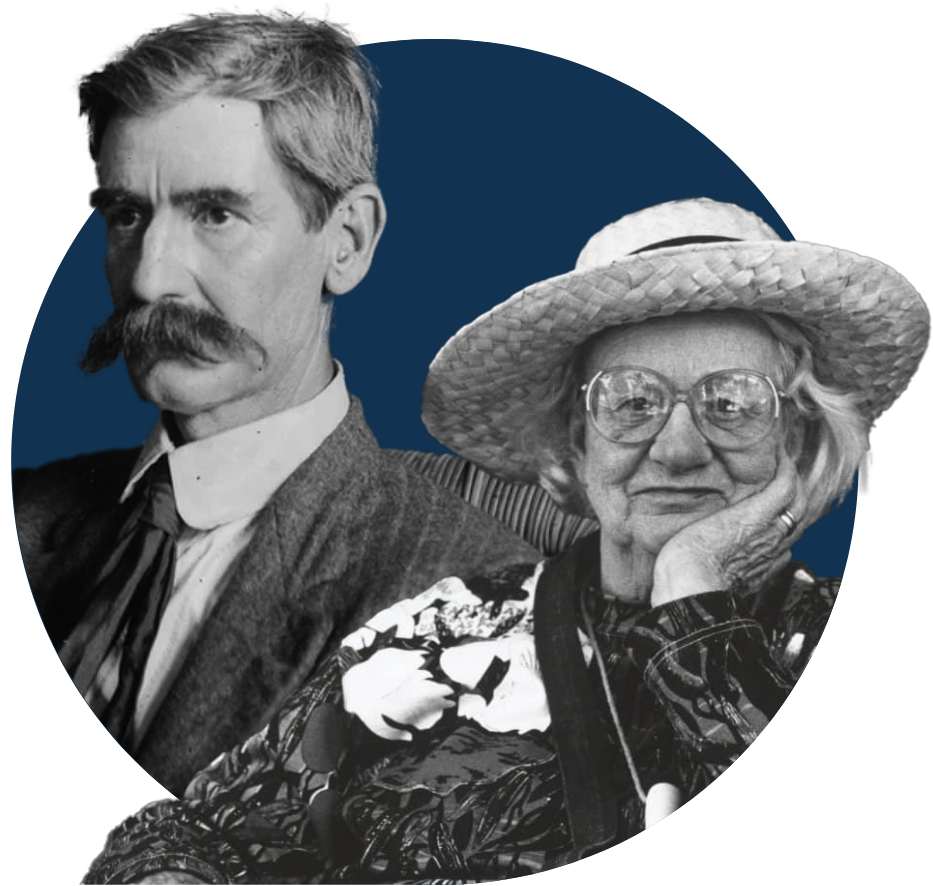
Disabled authors tend to be missing from conversations about Australian literature, so we are creating a searchable page to help you learn more about them. Through this page you can find out who these authors are, how they have forged their careers, and how their disability shapes their creative writing practice.
Featured Author
Dorothy Cottrell
‘The day on which I burned the last overpriced crutch and brace and sat down marked the real beginning of my recovery. Not of recovery from my disability – that has become neither better nor worse than it was the day the first specialist reviewed my case – but of recovery as an individual, as the builder of a life.’